New Evaluations Highlight EPL’s Youth Employment and Public Service Impact
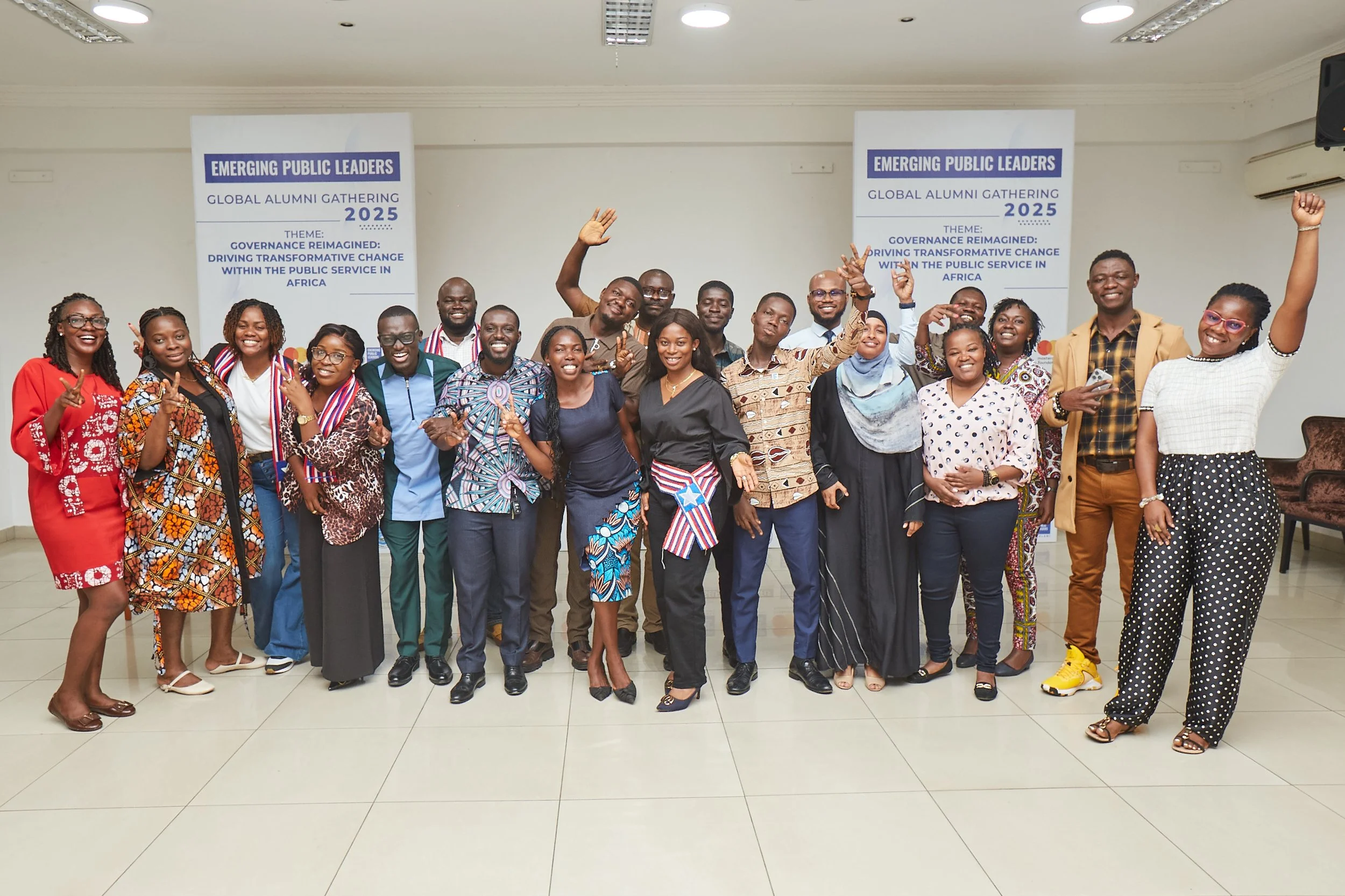
Two external evaluations conducted this year show that Emerging Public Leaders (EPL) is delivering on its mission in Liberia, Ghana, and Malawi: to recruit young Africans into dignified, paid public service roles and expand youth inclusion in government, while strengthening the leadership potential of entry-level civil servants in Kenya.
Young Africans stepping into public service careers
Across Liberia, Ghana, and Malawi, the vast majority of EPL participants who have graduated from the one or two-year fellowship are in full-time employment, with most serving in government. An impact evaluation of EPL’s longer-running fellowship streams in Liberia and Ghana found that around 90 percent of alumni are in some form of employment, with only a small minority unemployed. Of all alumni surveyed, 78 percent are employed in the public sector. Of those in work, 86 percent are serving in government rather than in the private sector or other fields.
Additionally, we commissioned an external mid-term evaluation focused on young leaders recruited into our Public Service Fellowship in Liberia, Ghana, and our newest program in Malawi, that presents a similar picture (2023 and 2024 intakes). Among respondents who had completed the fellowship, 96 percent were in employment - public sector, private sector, or other -and less than one percent of the total sample were unemployed at the time of the survey. In total, 192 young people in these three countries had participated in the Public Service Fellowship over the two years, representing 27 percent of EPL's pan-African network of 721 leaders toward the program's target of 1,000 youth by 2027.
Both reports were prepared at EPL’s request and produced independently by The Bureau of Integrated Rural Development (BIRD), Kwame Nkrumah University of Science and Technology (KNUST), Ghana.



Not just jobs, but meaningful work and progression
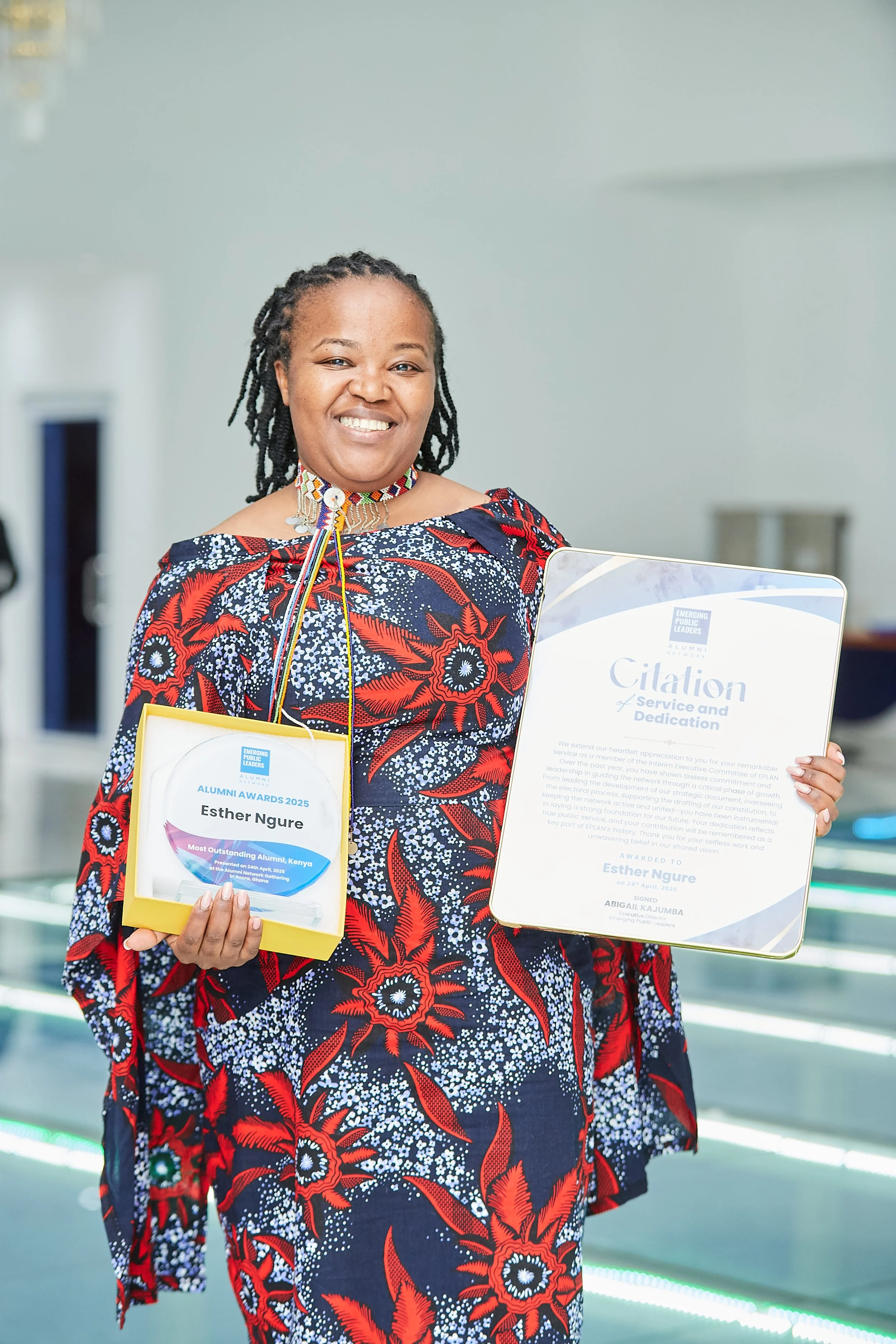
The evaluations showed that fellows experienced dignified and meaningful roles through the program, matched to their skills and aspirations. Across cohorts in Liberia, Ghana, and Malawi, more than 92 percent of fellows and alumni report that their current positions are at least somewhat fulfilling, often pointing to the chance to improve services, draft policies, and directly influence citizens’ lives as key sources of satisfaction.
Career trajectories back this up. In the EPL Impact Evaluation, 72 percent of alumni report rapid or steady career progression after the fellowship, including movement into supervisory and mid‑level management roles in ministries, agencies, and commissions. In Liberia, where EPL’s model is strongly rooted and has been in practice the longest, a particularly high share of program graduates report promotions and recognition within the public service, reflecting how sustained engagement is translating into long‑term leadership opportunities. Many alumni describe moving from uncertainty about their future before they applied to being able to secure roles where they are leading teams, coordinating national programs, or driving reforms in critical sectors.
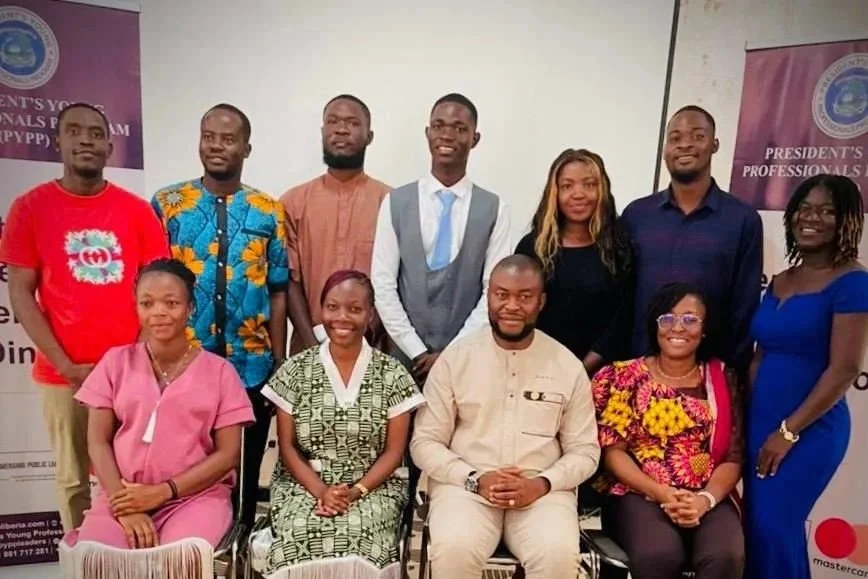
Liberian Fellows with their mentors following an responsive training in Bong County.
“A fellow I mentored brought strong
analytical skills. Their contribution improved our operational efficiency and response to client needs.”
Employers, supervisors, and mentors reinforce the narrative of outstanding young professionals across Liberia and Ghana, reporting that EPL fellows have improved documentation systems, sped up routine processes, strengthened client service, and raised professional standards inside their institutions. In the mid‑term evaluation, 100 percent of surveyed partner‑employers in Ghana and Malawi rate the quality of EPL training as satisfactory or better, and 55 percent say the presence of fellows led to significant or moderate institutional change. Many note that when they need new talent, they now look first to EPL‑trained youth because of their skills, work ethic, and commitment to public service.
Opening the door for youth in Liberia, Ghana, and Malawi
For many young people in these three countries, EPL is providing a fair pathway into government service - one based on merit rather than connections. The mid‑term review documents that between 2022 and 2024, Liberia had engaged 80 fellows and Ghana 79, while Malawi, the newest program country at the time, had brought in 33 young people. The cohorts are overwhelmingly young: in Ghana, 73 percent of respondents are aged 26–30, and in Malawi, nearly half are in the 20–25 age group, underscoring EPL’s focus on early-career talent.
Participants consistently describe recruitment as transparent and merit‑based. In the mid‑term evaluation, nearly all respondents view the selection process as fair and grounded in qualifications and potential, while in the impact study, EPL alumni in Liberia and Ghana likewise rate recruitment as very transparent and merit‑based. Many fellows and alumni in Liberia and Ghana say that, without EPL, they would have struggled to enter public service at all, highlighting the fellowship’s role in lowering structural barriers and widening the pipeline into government.
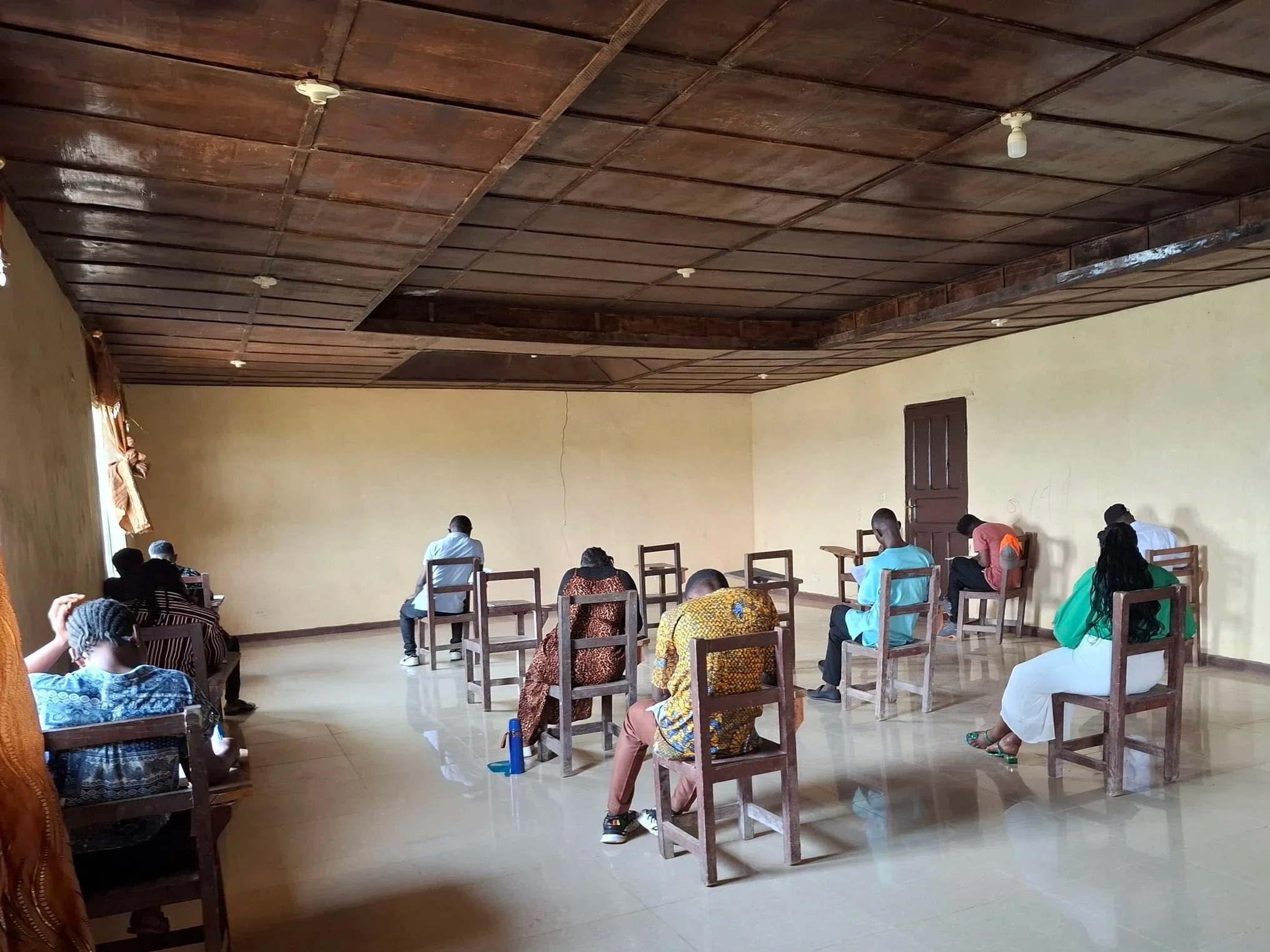
Applicants in Liberia take written tests as part of the meritocratic recruitment process in 2024.
Strengthening in‑service leadership in Kenya
In Kenya, EPL works with young civil servants who are already in government roles through the Public Service Emerging Leaders Fellowship (PSELF), which focuses on transforming leadership and governance from within. While these participants are not counted in the same way as new-entry youth in Liberia, Ghana, and Malawi, the Impact Evaluation showed that the model is strengthening leadership potential and progression among in‑service young public service officers.
Kenyan respondents report some of the highest levels of perceived program effectiveness, with 91 percent saying the fellowship has “very well achieved” its objectives. They also report large gains in confidence to assume leadership roles and in their ability to contribute to public policy and governance. Since completing the program, a substantial share of Kenyan participants report holding mid‑level management roles in the public sector, suggesting that PSELF is helping accelerate their progression into positions of greater responsibility. These results demonstrate that EPL’s approach can both create new pathways into government for unemployed or under‑employed youth and strengthen the leadership of those already serving in public institutions.
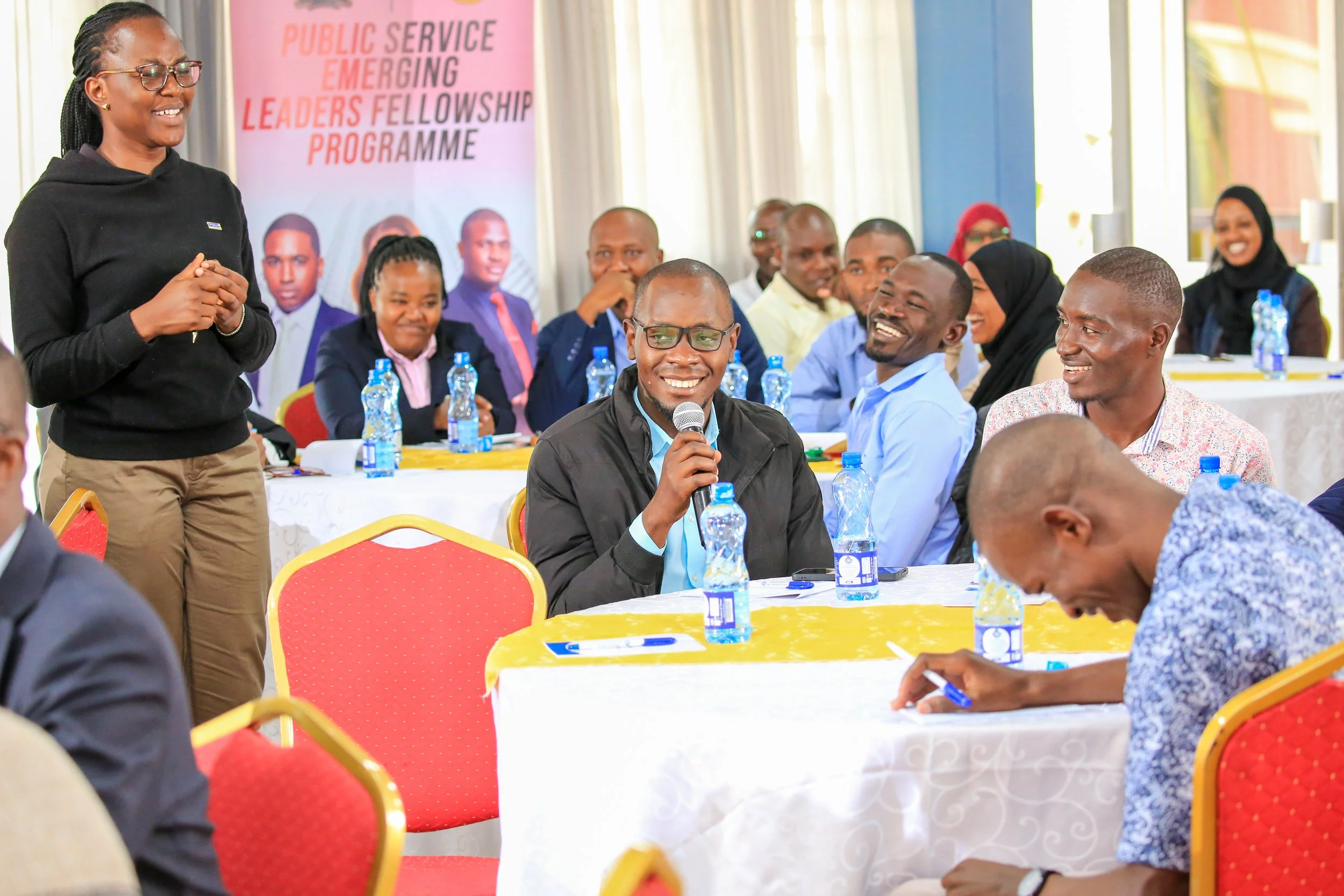
Fellows of the second cohort in Kenya attend their first training session in Nairobi, 2023.
Gender equality, diversity, and inclusion
Diversity, gender equality and inclusion are critical elements to the success of EPL’s programming. In the Mid‑term Evaluation, women account for nearly half of all fellows across Liberia, Ghana, and Malawi, with some of the strongest representation yet in Liberia and Malawi. The Impact Evaluation shows that women are particularly motivated by the desire to create sustainable governance change and report strong satisfaction with training and mentorship, even as they navigate slower, bureaucratic promotion pathways in public systems. Female fellows and alumni are also more likely than their male peers to emphasize tackling social and economic inequalities as a core motivation, bringing equity-focused perspectives into government offices.
The evaluations also highlight gaps EPL is working to close. Participation by refugees, internally displaced young people, and persons with disabilities remains low - only a handful of such participants appear across both studies - although those who do participate report strong engagement and positive outcomes. EPL and its partners have targeted outreach and research to understand barriers to public service careers for displaced people, and future funding will enable deeper inclusion‑focused design and support.
Informing new country programming
The lessons from Liberia and Ghana’s mature programs, Malawi’s early successes, and Kenya’s in‑service fellowship are already shaping EPL’s thoughtful expansion into new countries, including Sierra Leone. Evidence that nearly all graduates in Liberia and Ghana, ultimately secure full-time employment- most into public service - and that employers see clear institutional benefits from hosting fellows is informing how EPL designs partnerships, recruitment strategies, and training content in Sierra Leone from the outset.
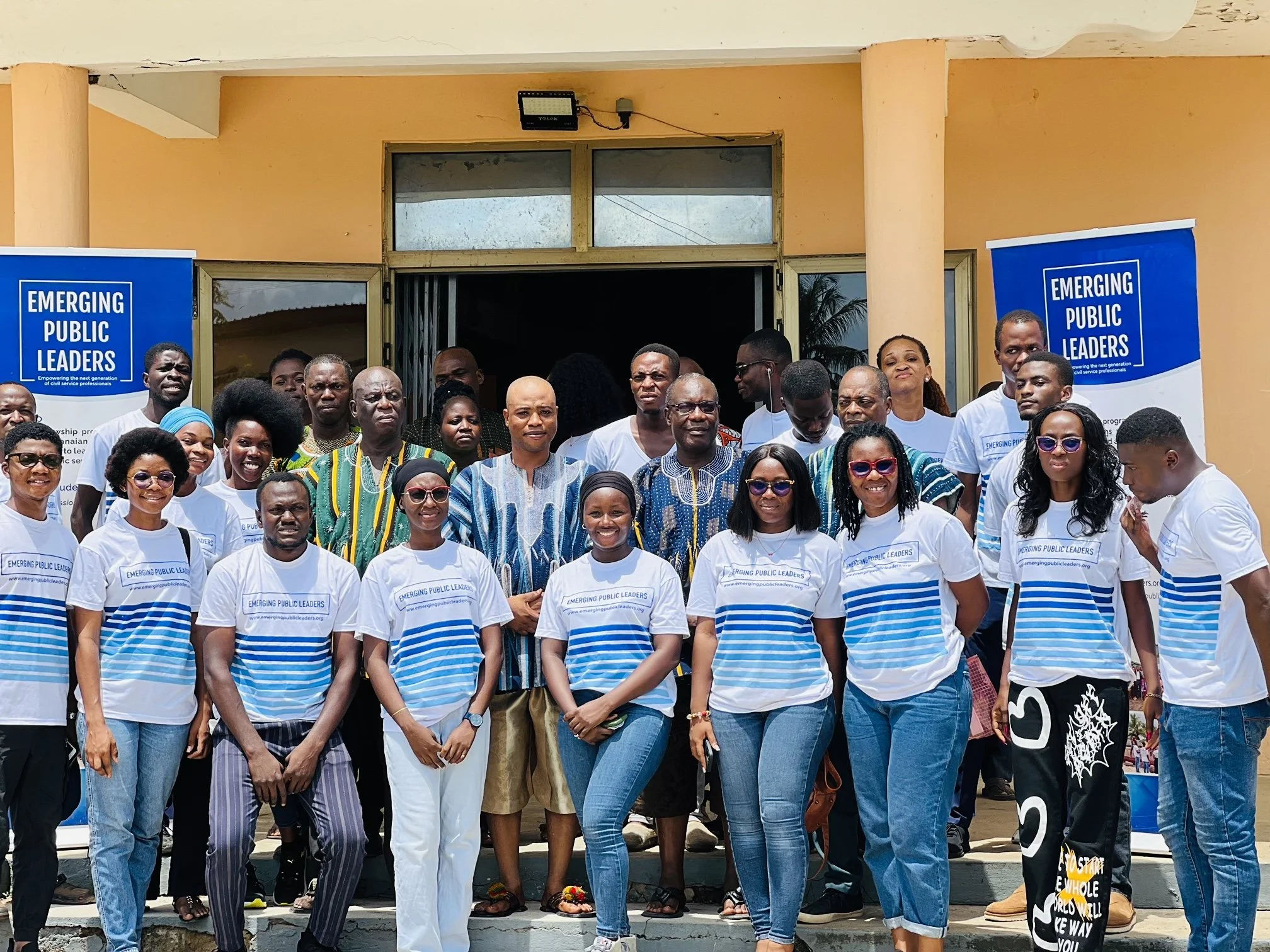
Ghana Fellows host career development workshop for students in Volta Region, 2024.
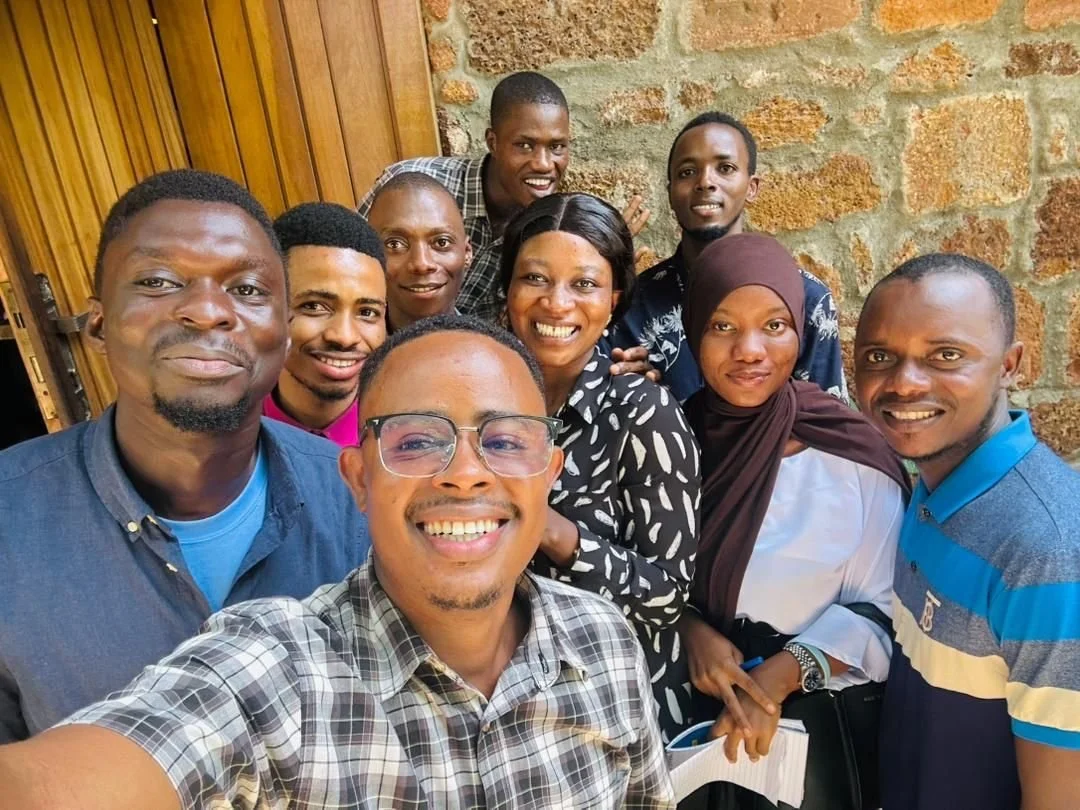
Fellows gather for a selfie at EPL Sierra Leone’s inaugural orientation in 2025.
Why your support matters this year
After a year in which evaluations have shown EPL’s model driving real youth employment and public service impact, your support can ensure these gains reach many more young Africans.
If you are looking to make a charitable donation to support youth employment, meaningful work, and inclusive public institutions in Africa, these evaluations offer compelling proof that EPL’s model works. More than 90% of those graduating from the fellowship are in paid work, with 76% in public service roles. They are not just filling posts; they are leading teams, shaping policy, and improving how public services reach citizens. In Kenya, in‑service, entry-level fellows are gaining the skills and confidence to drive reforms from within existing public structures.
This end‑of‑year giving season, your support can:
Help more young Africans in Liberia, Ghana, Malawi, and soon Sierra Leone move from potential to paid, meaningful public service careers.
Provide on-going training so that alumni continue progressing into mid‑ and senior‑level roles where they can sustain reforms over time.
Deepen outreach to youth from underrepresented groups, including women, persons with disabilities, and youth who are displaced, so that those most affected by lack of public services have a voice inside the institutions that shape their lives.
By giving today, you are investing in a new generation of young public servants who are already proving that when they have a fair chance, the right skills, and real responsibility, they can help build governments that work for everyone.