Young Public Service Professionals Reflect on AfricaXchange Experience
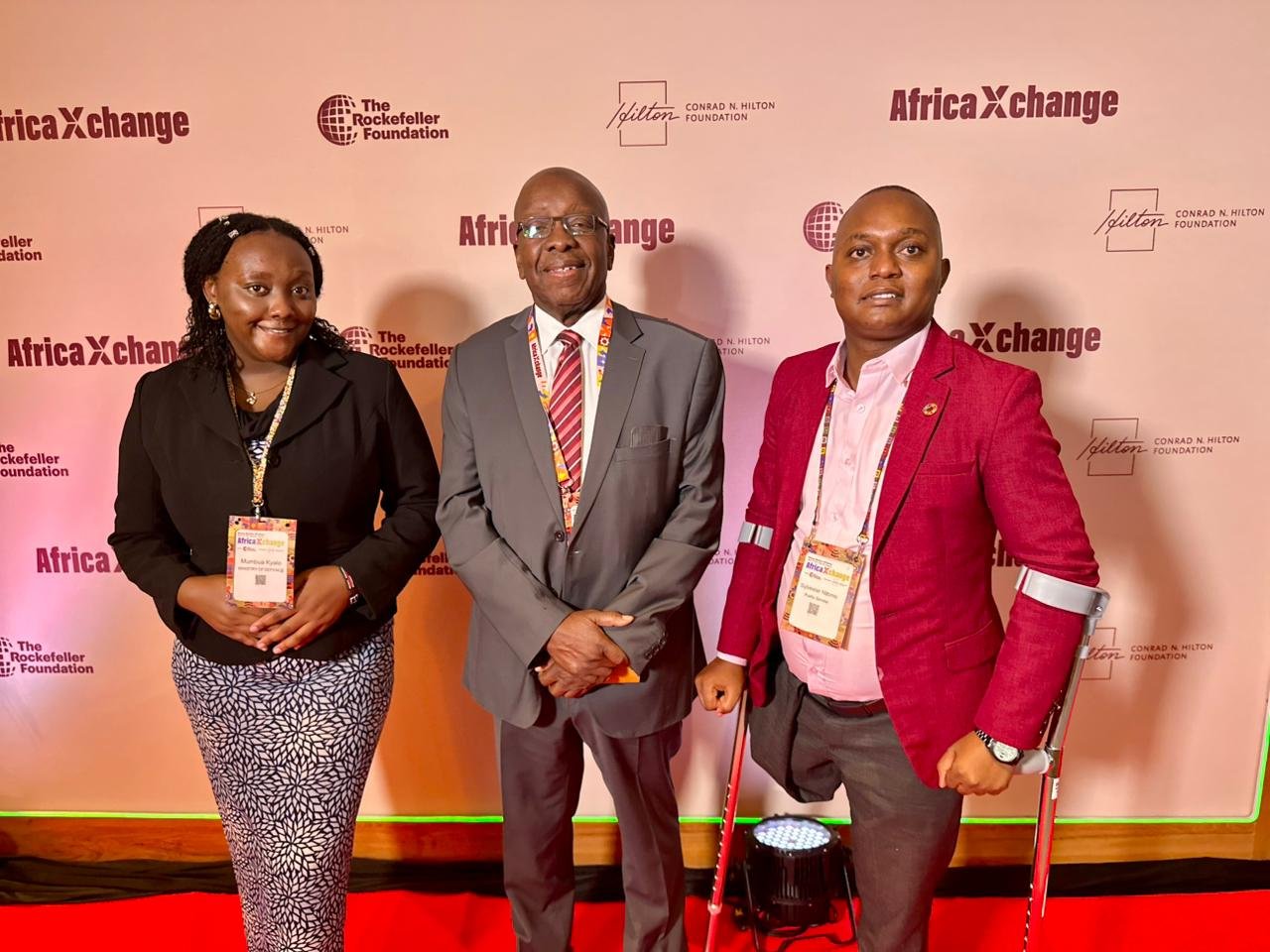
By Mumbua Kyalo and Sylvester Nzomo
AfricaXchange 2026 brought together policymakers, funders, innovators, and practitioners from across the continent to explore how Africa can move from ideas to implementation on development, markets, and systems change. Hosted in Nairobi, the convening focused on what it will take for African countries to lead their own development agendas and build institutions that can sustain long-term progress.
We were honoured to attend AfricaXchange 2026 in Nairobi as Emerging Public Leaders fellows and as young professionals working in public service across finance and human resources. It was a valuable opportunity to learn, connect, and reflect on the ideas shaping Africa’s future. We are grateful to Emerging Public Leaders for nominating and supporting us, and we thank our employers for enabling us to take part in the convening.
What stayed with us most was AfricaXchange’s focus on moving from conversation to action. Across the three days, the convening pushed participants to think seriously about four major shifts: rethinking development cooperation and sovereignty, building and scaling functional markets, strengthening partnerships and financing models, and driving mindset change across actors. That framing made the discussions feel both ambitious and practical.
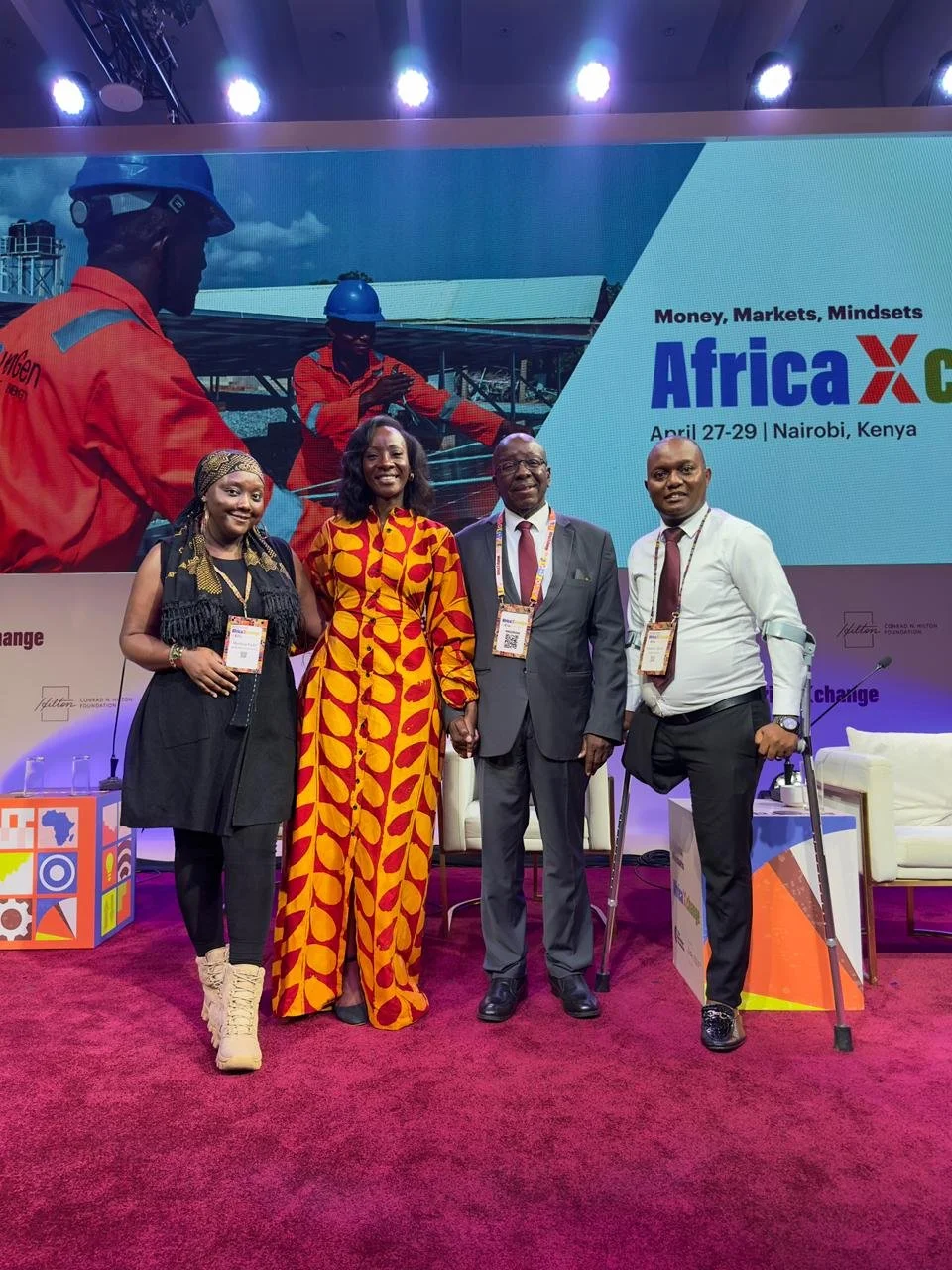
On the first day, sessions on development cooperation and sovereignty challenged traditional paradigms in a way that felt especially timely. Speakers underscored the importance of domestic resource mobilization, African-led priorities, and financing ecosystems rooted in local realities. We left with a stronger sense that the future of development on the continent must be anchored in agency, ownership, and institutions that can sustain long-term progress.
As the programme moved into its second day, the conversation shifted from vision to execution. A central question ran through many of the sessions: how do we put capital to work at scale for locally led development? Discussions on trade, clean energy, public institutions, and investment narratives reinforced the need to build markets intentionally, in ways that deliver both economic and social outcomes. This spoke directly to the realities we see in public service, where good ideas often depend on strong, coordinated systems to succeed.
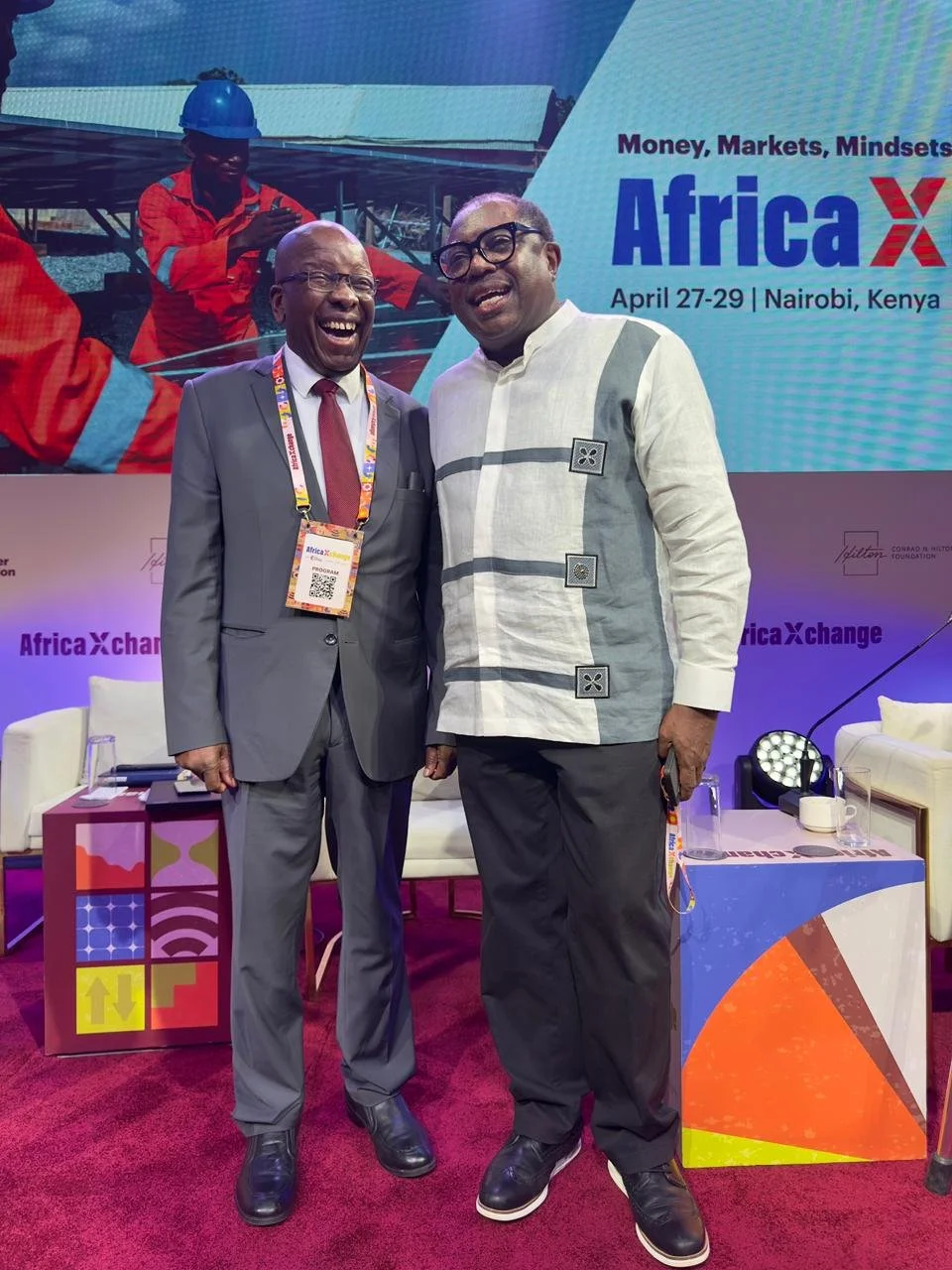
One of the most important aspects of the convening for us was the chance to engage with EPL Board Chair Emmanuel Lubembe. Conversations with him reinforced the value of the EPL network and challenged us to think more intentionally about what a stronger alumni community could look like. We left with a clearer picture of a network that combines connection and coherence, active engagement and collective action, and more deliberate systems of influence that allow fellows to shape institutions and decisions, not just participate in discussions.
By the final day, the focus on mindset pulled together many of the key themes. Honest reflections on the gap between alignment in principle and execution in practice, along with examples of organisations that are already modelling a different development mindset, made a strong impression. The transition from dependency to financial agency, and from delivery to influence, is something we carried home with us.
Site visits brought these ideas into sharp focus. Seeing initiatives that are creating new value chains, delivering integrated healthcare, and building community-led systems of support reminded us that locally led, integrated solutions are already delivering results at scale. They are not abstract concepts. They are real, and they are working.
We left AfricaXchange with renewed energy and a stronger sense of responsibility to turn these insights into action in our own spaces. We also came away with two recommendations that feel especially important to us as Emerging Public Leaders fellows:
There is real potential to deepen youth engagement within platforms like AfricaXchange. A dedicated Youth Summit, or a track such as “AfricaXchange: The Africa We Want,” could bring together young leaders from across the continent, create space for dialogue on governance and development, and position youth as co-creators of solutions rather than only participants.
The convening prompted us to think differently about the EPL network. Our conversations in Nairobi strengthened our conviction that it can become a more structured and impactful community: one that keeps fellows connected, turns that connection into collective action, and builds clear pathways for fellows to influence institutions and systems.
As fellows, we return to our jobs in public service committed to contributing to this vision and to helping the EPL network grow as a powerful force for public leadership and systems change across Africa.