Reflections from the 2026 Skoll Forum

By Esther Emmanuella Spio
It was the final semester of my senior year in 2018, and like many of my peers, I was preoccupied with one question: where would I undertake my National Service? I knew I wanted a career in government or the broader public service. Yet, like many fresh graduates in my motherland without access to networks of influence, the pathway into the public service was blurry. So, when my aunt shared the call for applications for the pioneer class of the Emerging Public Leaders (EPL) Program in Ghana, I applied without hesitation.
Eight years later, I am a civil servant on study leave at the Blavatnik School of Government. As it turned out, the 2026 Skoll World Forum in Oxford, where I was invited as part of the EPL delegation, became more than just a conference. It became a space for reflection, experience-sharing and reconnection.
The week began with a reunion of fellow alumni in the UK. Beyond our casual catch-up, we looked back on our journeys, revisiting our early motivations for joining the civil service, and questioning what structures might have better supported our career progression. Would a fast-track system, like Singapore’s civil service, have helped? Could elements of the EPL model be institutionalized within the public service? These conversations were both nostalgic and forward-looking, and the presence of our founder and her advisor added an even more positive vibe.
A key theme that emerged throughout the Forum was the evolving nature of collaboration in development. At a session hosted by Bridgespan on global health and development, there was a consensus on the importance of cross-sector partnerships, i.e., bringing together government, philanthropy, and private capital. What stood out to me was the shift from holding governments accountable to embracing mutual accountability. This reframing acknowledges that sustainable development requires alignment and not parallel efforts.
Yet I left the session with questions on my mind. How could funders and development partners remain committed to long-term government priorities without duplicating efforts? And how can such collaborations support governments in areas where capacity is most limited?
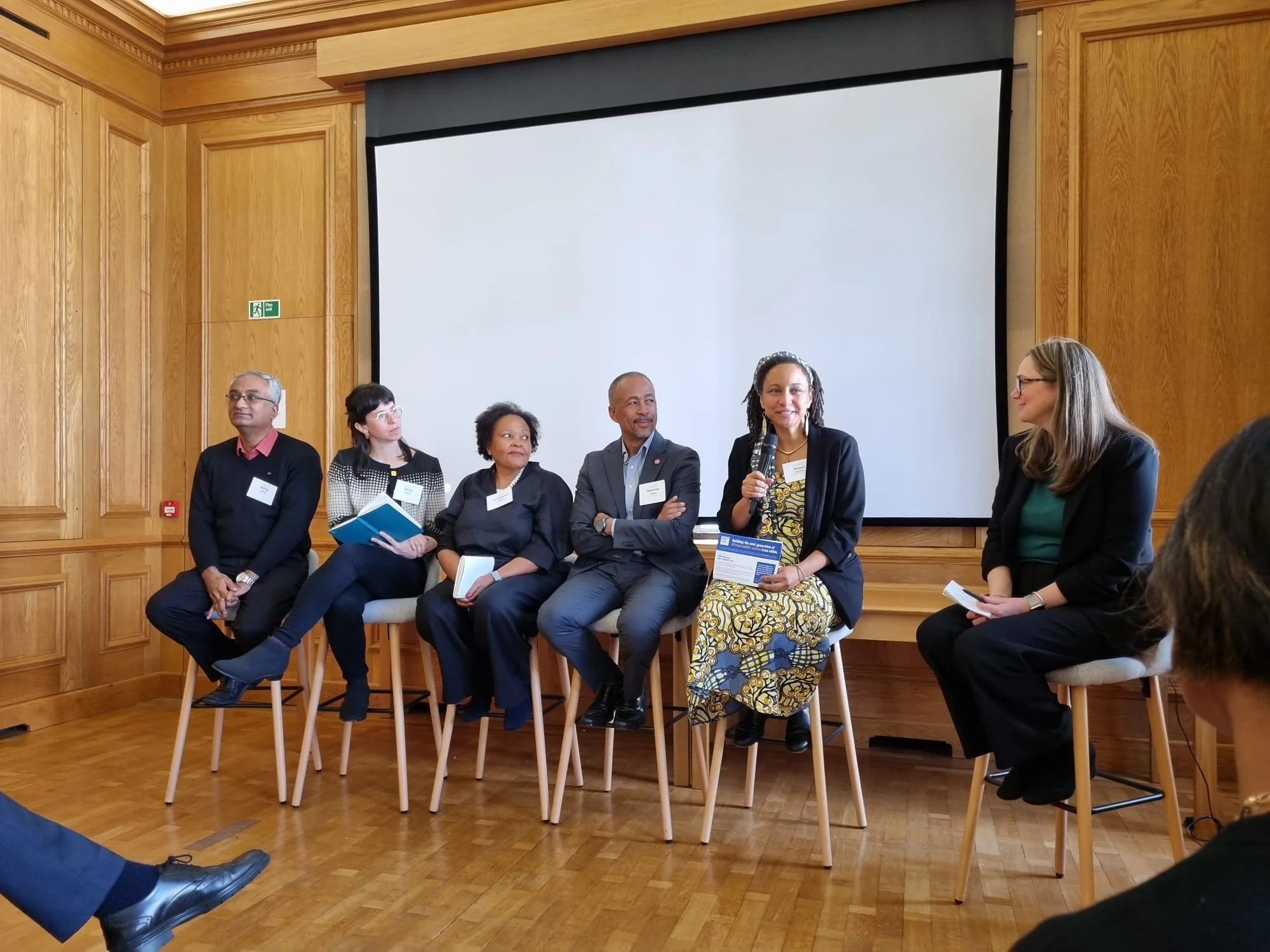
I carried these reflections into the next meeting on blended finance, where different innovative instruments such as redeemable equity, revenue-sharing models, and convertible grants were discussed. It was clear that the existing traditional models were no longer sufficient, as there was a need for more flexible approaches that respond to the realities of small businesses and startups. Here again, the role of government emerged as both critical and essential.
Later in the week at a roundtable on 21st-century political leadership organised by the BetterPolitics Foundation, participants delved deeper into themes of empathetic leadership, leadership as a collective, and navigating political trade-offs in politics. My takeaway was the importance of equipping political leaders with holistic training, not just to win power but also on how to lead effectively amidst heightened polarisation, institutional constraints, and public expectations.
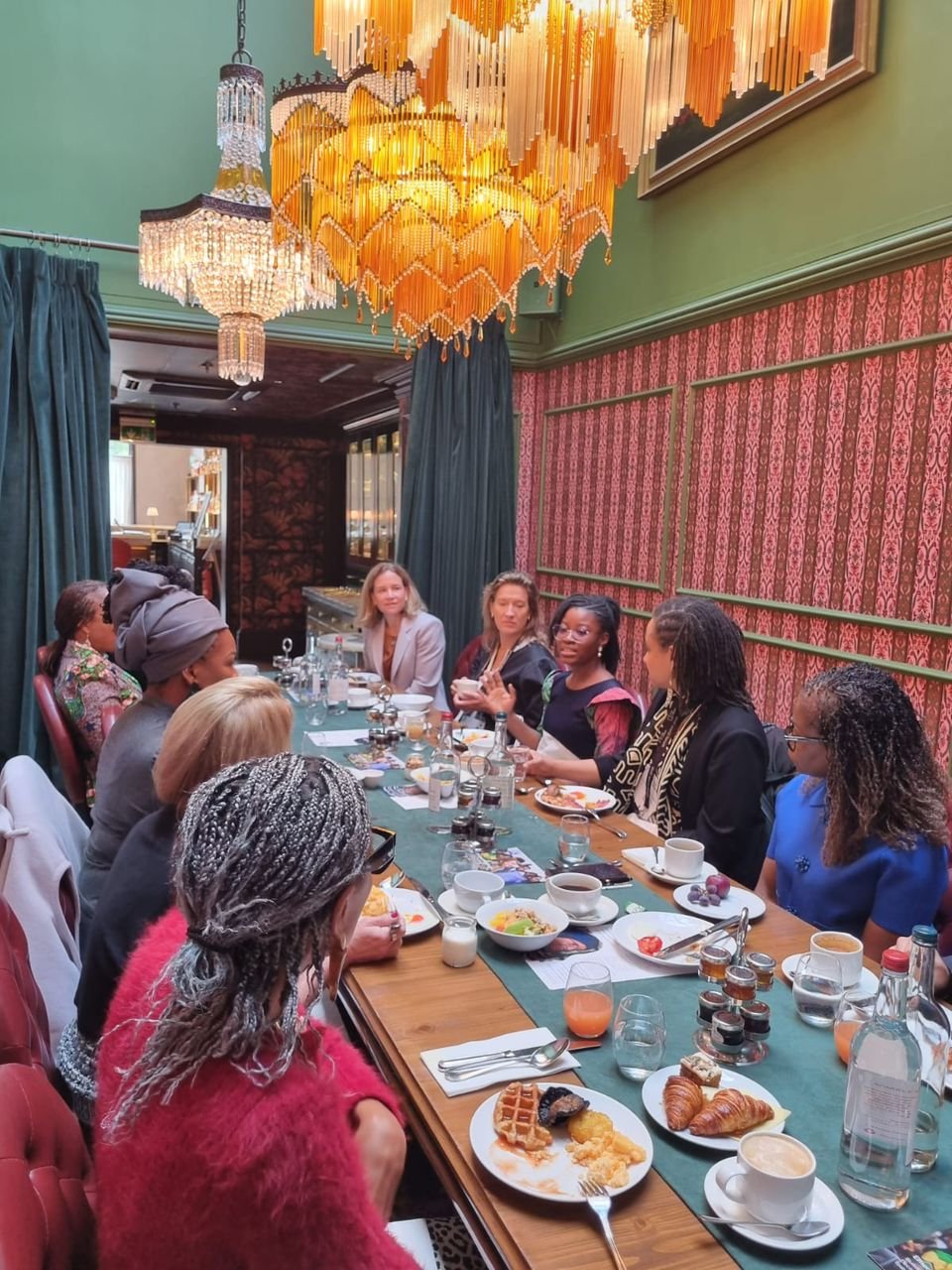
The EPL and EJS Centre breakfast session tied many of these threads together as the focus was on how initiatives like EPL and the Amujae Initiative could interact and better support participants beyond their fellowship and leadership programmes. I considered my own journey, and the kinds of support systems that might have sustained the commitment of my colleague fellows who began with a shared vision and purpose but transitioned along the way due to systemic challenges.
Overall, the week reinforced the central nature of government in shaping development. It strengthened my belief that, regardless of how innovative or well-resourced external actors may be, without effective public institutions, lasting impact was not possible.
This realisation brought me back to 2018, to the moment I chose this path. My work at Ghana’s Ministry of Finance has allowed me to contribute to initiatives, including supporting MSMEs to gain access to finance, working with local authorities to generate alternative revenue sources, and collaborating with UN agencies towards the attainment of the Sustainable Development Goals.
The journey has not been without its challenges, but there is a quiet sense of fulfilment in seeing small, tangible impacts. Programs like EPL make this possible by creating a pathway for committed young people to also contribute their quota in actively shaping the development trajectories of their countries.