Scale Runs Through Government. How Do We Invest in It?
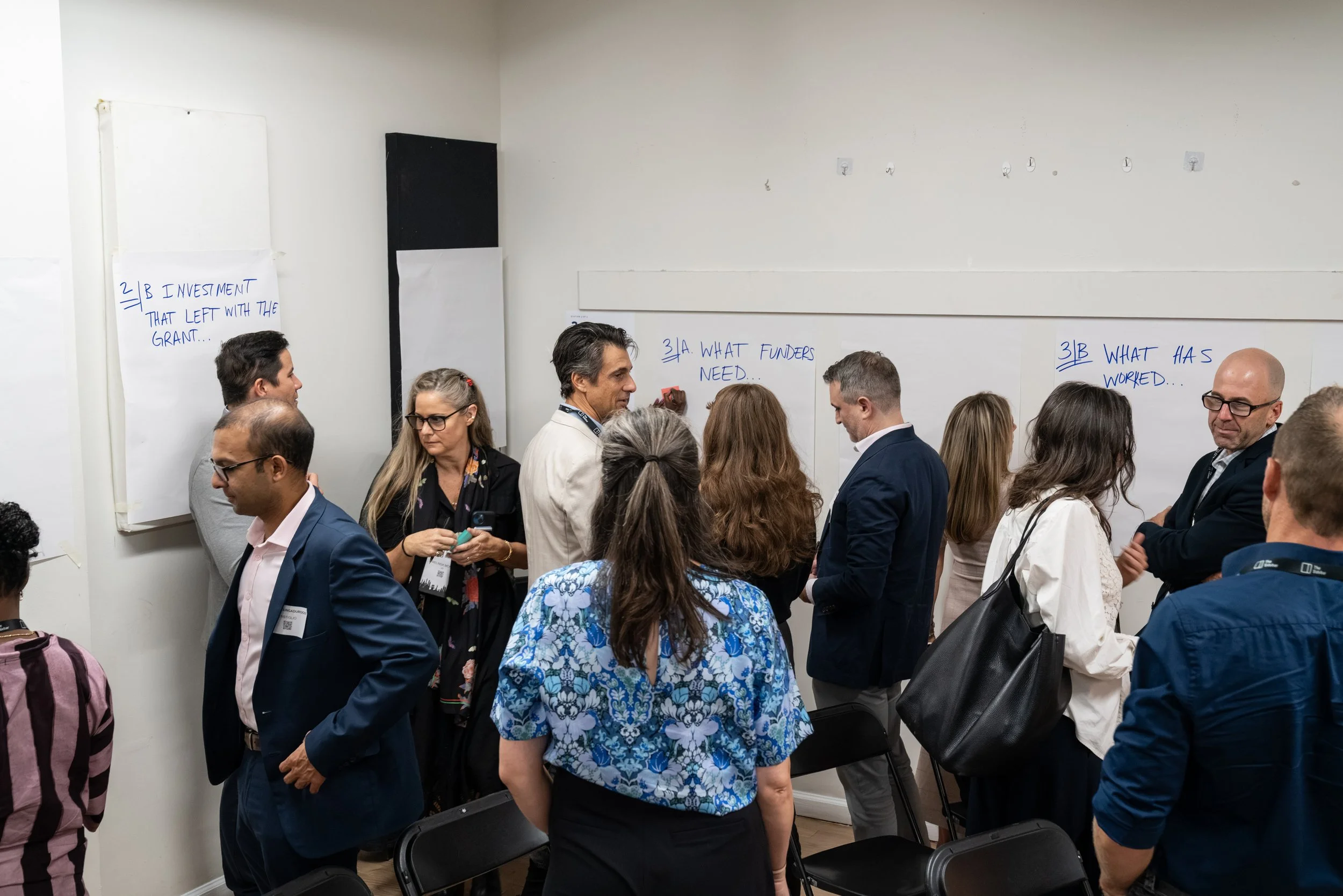
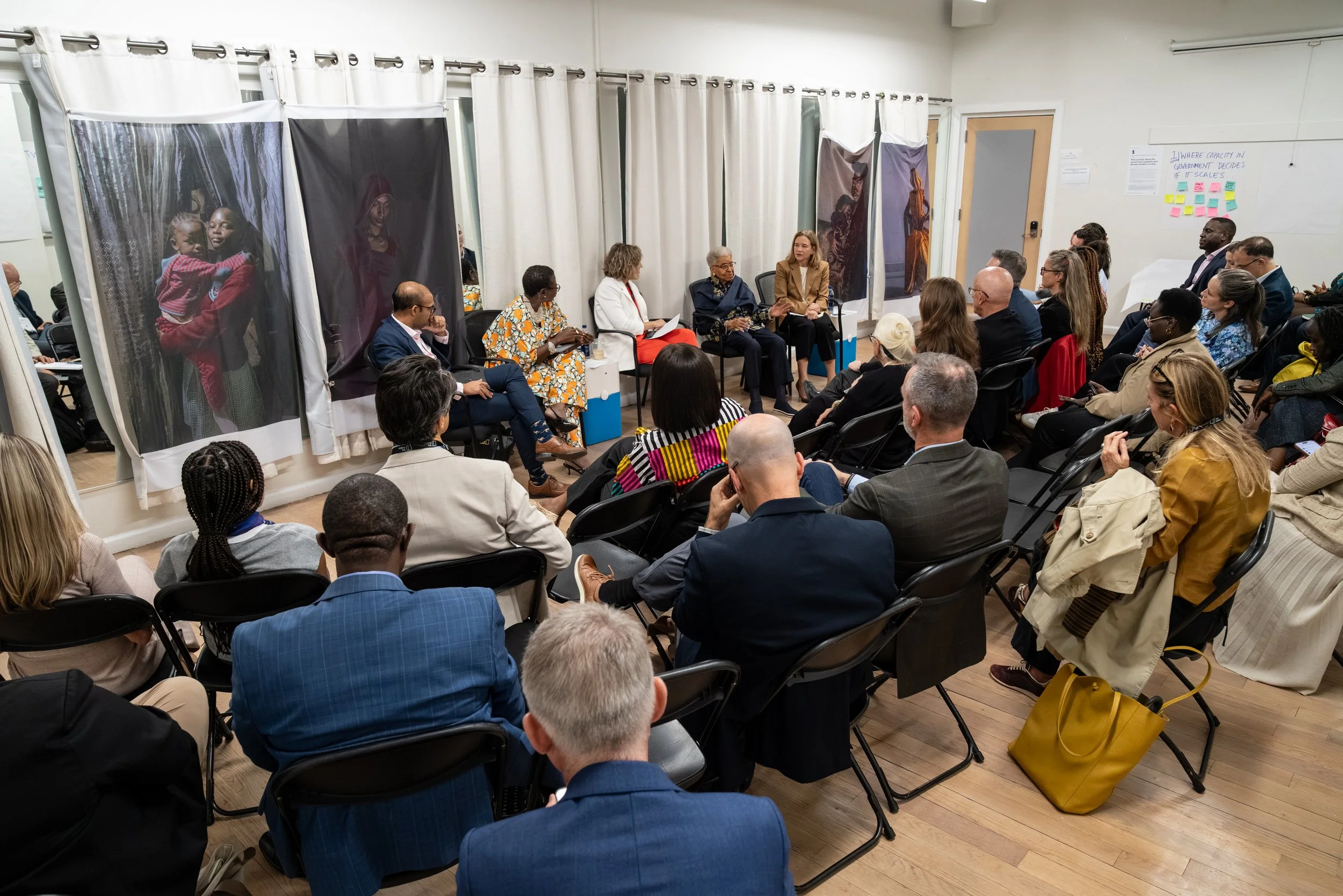
New York, USA - On the sidelines of the UN General Assembly, Emerging Public Leaders (EPL) and The Sidebar brought funders, government leaders and implementers into one room to ask what it takes to invest in government’s capacity to deliver at scale.
The discussion underscored participant consensus that modern philanthropic models must evolve to fund government capacity to scale, and raised practical questions for governments, funders, and practitioners to address as next steps.
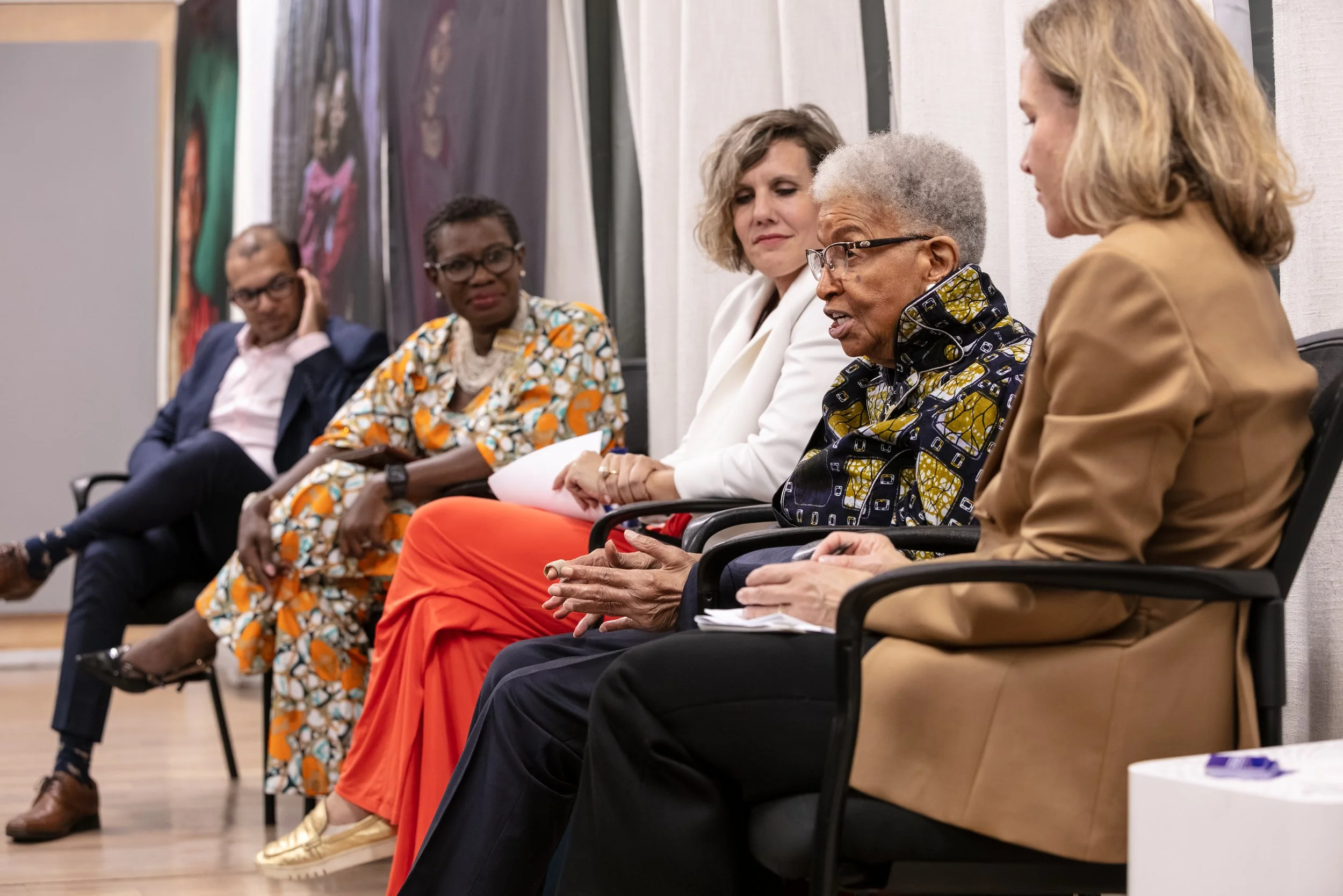
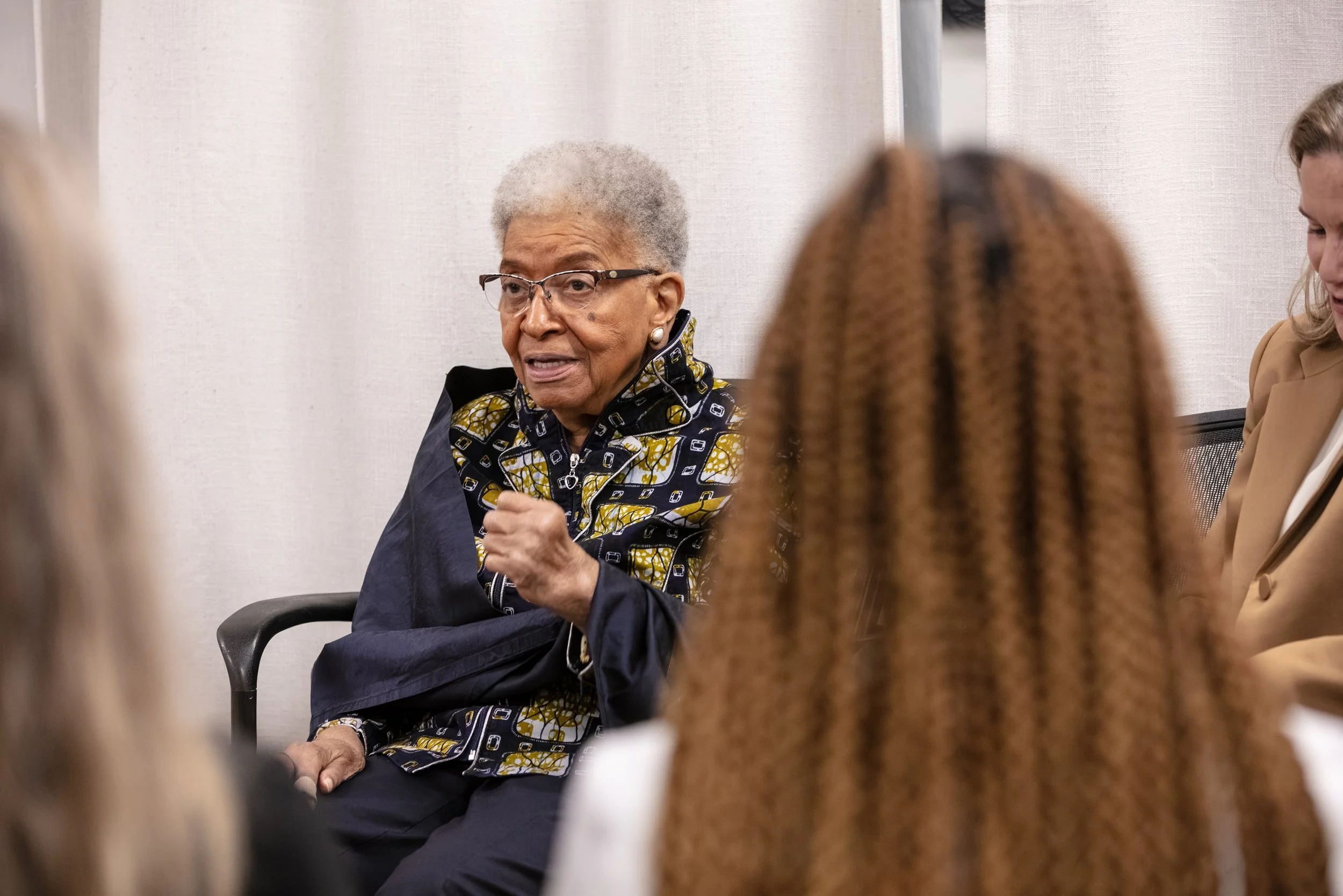
The conversation led by Emily Stanger Sfeile, EPL’s Interim Executive Director, and four panelists: Avnish Gungadurdoss, Co-Founder and Managing Partner, Instiglio; Mayor Yvonne Aki-Sawyerr OBE, Mayor of Freetown, Sierra Leone; H.E. Ellen Johnson Sirleaf, former President of Liberia and co-founder of EPL; and Betsy Williams, Co-Founder and Chair Emeritus, Emerging Public Leaders.
Why is it so hard to fund government capability? Progress takes longer than a grant cycle. Results are hard to attribute to any one funder. Capability can look like overhead rather than impact. Many funders have no route to give to government at all. And some have built their portfolios around their own goals rather than the national plan, which is a barrier of philanthropy's own making. If we can't name the barriers honestly, we can't remove them.
How do we grow the funding? A handful of funders back this work now. What would move it from a niche into a standard part of every portfolio that depends on government to scale? Options include pooled funds, shared vehicles, and a set share of each scale grant going to the capability that will carry it.
How do we build trust for a long-term, high-risk, high-reward bet? Investing in government capability means accepting slower returns, less control and real political risk, in exchange for change that lasts. What evidence, early signals and forms of government commitment would give funders the confidence to stay for ten years, not three?
What would it take to make partnerships between philanthropy and government permanent? Liaison offices, formal partnerships, delivery units and fellowship placements all came up as models that worked. Too often they appear in a crisis and fade when it passes. How do we build them on purpose and keep them running?

Join Emerging Public Leaders as we take the next steps to address these and the practical questions underlying the development of financial models, systems and services, and evaluation processes to transform every investment that depends on governments to scale into an investment in government capacity.